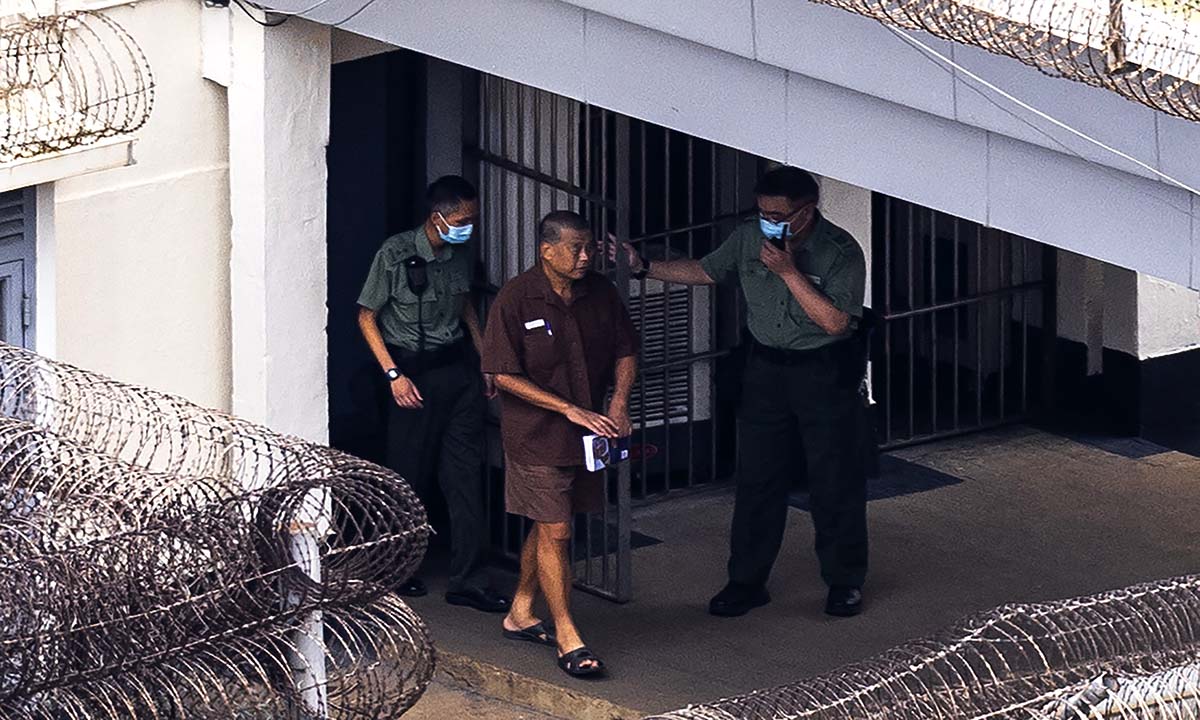
The door closes. A lock turns. Time begins to stretch. For people jailed because of belief or speech, each day feels heavier than the last. Minutes pile up like stones. Families count birthdays missed. Lawyers count delays. The world outside keeps moving, yet inside the cell, time slows to a crawl.
This story is about that waiting. It is about people held as political prisoners. It is about the days measured since arrest, since trial, since hope last felt close. At the center sits Jimmy Lai, a media founder and democracy advocate whose imprisonment has come to symbolize the cost of dissent.
Human rights groups like Amnesty International track these cases because time matters. Every extra day behind bars deepens harm. To grasp that weight, many supporters turn to the simple act of counting. They check the hour. They mark the date. Tools like a live world clock make the passing seconds visible, even when justice feels frozen.
A Short Summary
This article traces how time shapes the lives of political prisoners. It follows Jimmy Lai’s case, explains why counting days matters, and shows how simple countdowns turn waiting into action.
Time as a Quiet Punishment
Prison punishes the body. Time punishes the mind. Political detention often stretches with delays, adjournments, and closed hearings. Each pause adds another layer of strain. For Jimmy Lai, months became years as legal processes stalled. His case has been followed closely, including by international media, with detailed reporting such as a long form account published by The Guardian.
Waiting erodes certainty. No calendar on the wall brings relief. Families outside count days since the last visit. Supporters count days until the next hearing. This is why time itself becomes part of the punishment, even before any verdict arrives.
Jimmy Lai and the Weight of Waiting
Jimmy Lai’s story did not begin in a courtroom. It began decades earlier with a child who fled poverty, built a business, and later chose to speak openly about freedom. That choice carried a cost. His imprisonment in Hong Kong became a symbol felt far beyond the city.
Supporters often ask a simple question, how long has he been waiting. Counting days since arrest creates clarity. Counting days since trial delays creates urgency. Tools such as online countdown clocks help people visualize this wait. A ticking counter can feel cold, yet it sharpens focus. Each second becomes a reminder that justice delayed remains justice denied.
Why Counting Days Changes How We Care
Numbers feel concrete. Saying someone has waited years can feel abstract. Saying someone has waited 1200 days lands differently. It brings the wait closer to daily life. This is why activists use calendars, timers, and counters when telling these stories.
A simple countdown timer can track the next hearing or appeal. A calculator such as a time calculator can show the exact span between arrest and now. These tools do not free anyone. They keep attention alive.
Three Ways Time Counting Helps Advocacy
- It makes waiting visible to people far away.
- It gives supporters a shared reference point.
- It adds pressure by highlighting delay.
The Daily Reality Inside Political Detention
Days inside prison often follow strict routines. Lights on. Meals at fixed hours. Silence enforced. What changes is the sense of purpose. Political prisoners often replay events in their minds. They think about words spoken. They think about trials postponed. Time loops back on itself.
| “Every day you wait without news feels longer than the last. Time stops being neutral. It becomes part of the sentence.” |
Families outside experience a different rhythm. They measure time by visits allowed and letters received. Children grow older between hearings. Parents age. The gap widens with every delay.
Other Prisoners, Similar Clocks
Jimmy Lai is not alone. Across the globe, writers, journalists, union leaders, and activists face detention for peaceful acts. Their names differ. Their clocks look the same. Days marked on walls. Weeks crossed out. Years imagined but unseen.
- Journalists jailed for reporting.
- Activists held for organizing.
- Lawyers punished for defending others.
Between these bullet points sit lives on pause. Time counting becomes a quiet act of solidarity. Supporters say, we are still watching, and we know how long this has lasted.
Information at a Glance
| Aspect | Impact of Delay | Why It Matters |
|---|---|---|
| Legal Process | Extended detention | Fair trial concerns |
| Mental Health | Stress and uncertainty | Long term trauma |
| Public Attention | Risk of fading interest | Accountability pressure |
Counting as a Form of Witness
When supporters count days publicly, they act as witnesses. They refuse to let silence settle. A posted counter says, this is not normal. This wait has a length. This delay has a cost.
That act can feel small. It adds up. Each share, each mention, each update keeps a case alive. Time measured becomes time challenged.
From Counting to Change
Time alone does not free prisoners. Action does. Counting days supports action by keeping focus sharp. It feeds letters, campaigns, and pressure. Groups track anniversaries because milestones attract attention.
For Jimmy Lai and others like him, each counted day carries a message. The world has not forgotten. The wait is being watched.
| “Counting the days is not about numbers. It is about refusing to look away while time passes behind bars.” |
What Waiting Teaches Us
Waiting exposes priorities. It shows who benefits from delay and who pays the price. Political imprisonment thrives on drawn out processes. Counting interrupts that comfort. It keeps discomfort visible.
Every time someone checks a clock or a counter for a prisoner, they share the burden a little. Time becomes communal, not isolating.
The Last Tick Before Hope
The title speaks of counting days. It also hints at an end. Every count assumes a finish. Justice may arrive late. It may arrive after damage done. Still, counting holds space for that moment.
For Jimmy Lai and countless others, the wait continues. Each day marked brings both pain and resolve. The clock keeps moving. The watching does too.