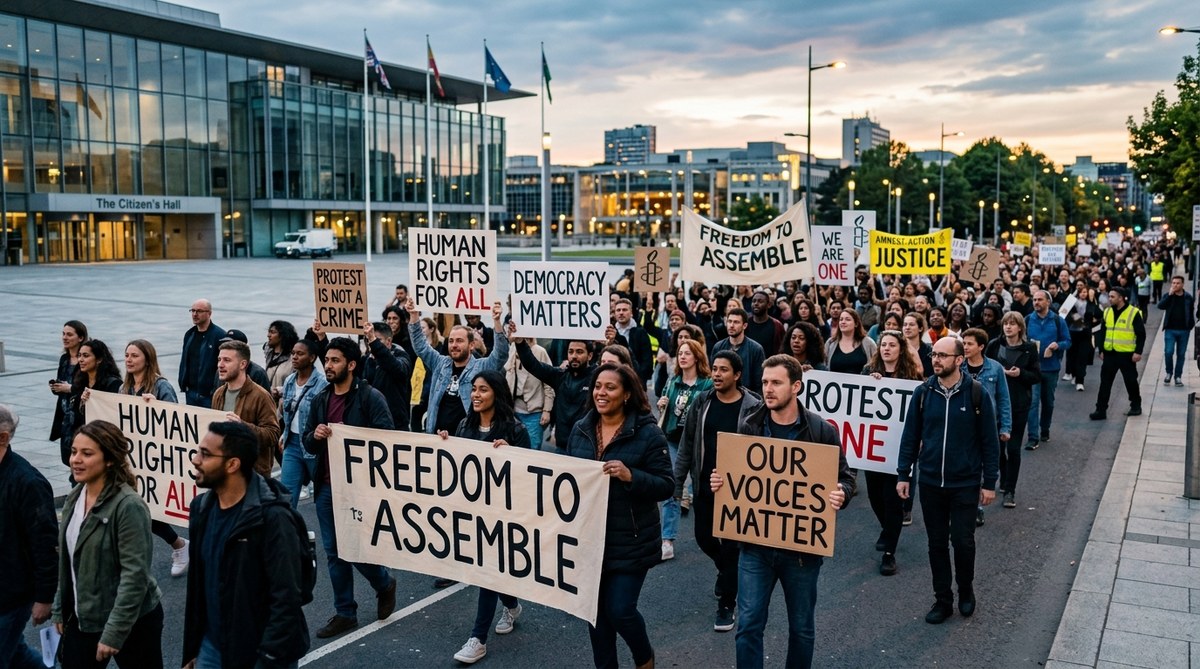
From city streets to online spaces, the ability to come together, raise our voices, and demand accountability is a bedrock of freedom. Yet this right is under pressure in many places around the world. At Amnesty-Action.org we start from a simple truth: freedom of assembly is not a privilege handed out by those in power. It is a fundamental human right that protects all other rights, including liberty, equality, and the chance to influence public life. In this article we explore what the right to assemble really means, why it matters today, and how supporters can defend it through petitions and campaigns that create real change.
What Freedom of Assembly Really Means
Freedom of assembly is the right to gather with others in a peaceful way to express views, share concerns, and advocate for change. It includes the ability to hold demonstrations, rallies, vigils, sit-ins, and other peaceful actions without fear of retaliation or censorship. It also encompasses the right to petition the government or other authorities for redress of grievances.
### Core Elements of the Right
- Peaceful gathering: violence or incitement are not protected, but peaceful protest is.
- Expression and petition: the act of voicing concerns and demanding accountability.
- Access and non discrimination: the right should be available to all regardless of gender, race, religion, or status.
- Dignity and safety: participants should be able to express themselves without intimidation, harm, or unlawful arrest.
### Why It Matters for Justice
- It allows communities to spotlight abuses and demand reforms.
- It provides a non violent channel for political discourse.
- It helps build accountability when governments or powerful groups overstep their authority.
- It safeguards pluralism by letting diverse voices be heard in public life.
Why Freedom of Assembly Is Under Pressure Today
The modern era brings new challenges to the right to assemble. Even as technology expands our reach, it also enables new forms of control. Here are some common pressures that threaten peaceful assembly in 2026 and beyond.
- Penalties for peaceful assembly: some laws and policing tactics criminalize or excessively sanction peaceful protests, deterring people from participating.
- Overbroad policing and surveillance: surveillance tech, facial recognition, and heavy police presence can chill gatherings and discourage dissent.
- Restrictions on space and timing: permit regimes, clearances, and excessive burdens on logistics can suppress protests.
- Digital suppression: social media censorship, online harassment, and information controls can fragment movements before they begin.
- Detentions and legal exposure: activists including detained students, organizers, and journalists may face intimidation or arrest.
- Erosion of civic spaces: closures of community centers, limitations on public forums, and regulatory hurdles reduce opportunities to organize.
These pressures are not just abstract debates. They affect real people who want to voice concerns about education, health, housing, the environment, civil rights, and democracy itself.
Global and Domestic Context
Freedom of assembly has deep historical roots and continues to be a catalyst for progress. Across borders and within nations, people use peaceful gatherings to advance human rights, challenge oppression, and demand reforms. At Amnesty-Action.org we highlight stories and movements that illustrate both the power and fragility of this right.
- Women leading rights movements: women and gender justice advocates organize marches, sit ins, and advocacy campaigns that advance legal protections, safety, and equality.
- Victims of forced sterilization: communities and survivors have rallied to demand accountability, transparency, and redress, underscoring the link between bodily autonomy and civic participation.
- Detained students and activists: when students are detained for peaceful expression, the entire community bears the weight of suppression and must respond with solidarity and legal protections.
- Internet freedom and assembly: the digital space shapes how people coordinate, share information, and organize, making internet freedom a critical companion to physical gatherings.
- Civil society resilience: organizations that monitor rights, provide urgent legal aid, document abuses, and mobilize public opinion play a central role in protecting assemblies.
Legal Frameworks and Why They Matter
Understanding the legal landscape helps supporters participate responsibly and defend the right to assemble even under pressure. Legal frameworks vary by country and jurisdiction, but certain principles recur.
- Time, place, and manner restrictions: governments can regulate when, where, and how protests occur, so long as restrictions are neutral, tailored, and serve a substantial interest without discriminating against peaceful assembly.
- Permits and notification: some places require advance notice or permits; when used fairly and predictably these processes support safety and reduce friction, but must not be used to silence dissent.
- Emergency powers: in times of crisis, authorities may impose limits on gatherings. Safeguards are essential to prevent abuse and ensure that freedoms are preserved even during emergencies.
- Safety and crowd management: policing should protect participants, minimize harm, and avoid unnecessary force. Excessive force and punitive measures threaten the legitimacy of protests and public trust.
- International standards: rights to peaceful assembly are recognized in international human rights law, including the Universal Declaration of Human Rights and the International Covenant on Civil and Political Rights. These frameworks remind governments that the right to assemble is a universal entitlement that deserves protection and robust safeguards.
How Civil Society Defends the Right to Assemble
A strong civil society acts as a check against overreach and a partner in protecting rights. Here are practical ways movements safeguard freedom of assembly.
- Petitions and campaigns: organized efforts to demand policy changes or accountability can create momentum and put pressure on decision makers.
- Legal aid and defense: access to counsel helps protesters understand their rights and navigate adverse legal actions.
- Documentation and reporting: credible records of arrests, use of force, or violations create accountability and inform future reform.
- Public education and outreach: informing communities about rights and safe protesting practices builds confidence and participation.
- Coalitions and solidarity: diverse groups join forces to amplify voices and protect the space for peaceful dissent.
- Safe spaces and oversight: creating community-supported venues and independent monitoring helps ensure that protests remain peaceful and lawful.
Practical Guide: Defending Right to Assemble in Your Community
If you are preparing to participate in or organize a peaceful gathering, consider the following steps.
- Know your rights
- Learn about local laws on assembly, permits, and expected conduct.
- Understand what police can and cannot do during a protest.
- Plan safely
- Choose routes that minimize risk and avoid hazards for participants and bystanders.
- Arrange for water, first aid, and accessible facilities.
- Prepare a legal safety net
- Have contact information for legal observers or an attorney as part of the plan.
- Create a plan for documenting the event through writing, photos, or video in a respectful, non confrontational way.
- Communicate clearly
- Share purpose, rules of engagement, and safety guidelines with participants ahead of time.
- Provide translation or accessibility options to ensure inclusive participation.
- Document and report
- Record incidents of rights violations, and preserve evidence for accountability.
- Debrief with the group after the event to identify improvements for future actions.
- Build post event momentum
- Follow up with petitions, social media posts, and outreach to policymakers to sustain momentum.
Stories of Courage and Leadership
Behind every movement for the freedom to assemble are individuals who choose courage over silence. Here are anonymized snapshots of the kinds of leadership you will find in movements for justice.
- A young organizer who designs peaceful demonstrations that focus on human dignity and non violence. Their work helps communities gain visibility while reducing risk.
- A community advocate who channels the energy of a large crowd into a sustained campaign for policy reform. They coordinate with lawyers, researchers, and educators to translate passion into concrete change.
- An educator who documents the impact of policing on peaceful protesters and uses those stories to push for accountability and better community safety standards.
- A survivor of abuses who joins with others to demand redress and create spaces for healing and empowerment.
- A student leader who faces temporary detention and uses the experience to highlight the importance of safeguarding academic freedom and student rights.
These profiles remind us that protection of the right to assemble is not just about protests in the moment. It is about building durable, just societies where every voice matters.
The Role of Internet Freedom in Peaceful Assembly
In the 21st century, the online realm is inseparable from on the ground organizing. The internet enables rapid mobilization, sharing of information, and global solidarity. It also introduces new risks that must be managed.
- Digital surveillance and data privacy: organizers and participants deserve privacy protections to prevent chilling effects.
- Content moderation and access: transparency about how and why information is removed helps maintain trust and keeps movements informed.
- Online harassment and intimidation: safeguarding participants from abuse encourages continued participation.
- Strategic use of digital tools: secure messaging apps, open data, and accessible information platforms help communities coordinate safely and effectively.
By defending internet freedom as part of the broader freedom of assembly, Amnesty-Action.org emphasizes the full ecosystem of rights that support peaceful dissent.
How Amnesty-Action.org Supports Your Efforts
Amnesty-Action.org is dedicated to championing justice, freedom, and equality. Our mission page invites supporters to join petitions and campaigns that defend civil liberties around the globe. Here is how we help communities protect and advance the right to assemble.
- Campaigns that focus on protecting peaceful protests and opposing repressive laws
- Petitions that mobilize thousands of voices for policy change
- Resources and guidance for organizers on rights, safety, and legal considerations
- Education on the links between assembly rights and broader civil liberties
- Opportunities to join volunteers, legal observers, and civic educators
If you are new to Amnesty-Action.org, start by exploring current campaigns and signing up for alerts. Your involvement can push authorities to respect and protect peaceful gatherings.
A Call to Action: What You Can Do Right Now
- Sign up for action alerts: stay informed about new developments, laws, and opportunities to participate in campaigns.
- Join a petition: help amplify a call for accountability or policy reform related to assembly rights.
- Share educational resources: spread awareness about the importance of peaceful protests and the protections afforded by law.
- Attend or organize a peaceful gathering: learn and practice safe and lawful organizing.
- Support survivors and frontline organizers: offer resources, advocacy, and solidarity to those most affected by rights violations.
- Document and report abuses: if you witness a violation of the right to assemble, report it through credible channels to preserve accountability.
Why Your Involvement Matters
Freedom of assembly is a shared responsibility. It requires citizens who are committed to justice and leaders who are accountable to the people. When we participate in peaceful gatherings with a clear purpose, we:
- Elevate the voices of marginalized communities
- Hold governments and institutions accountable for their actions
- Build a culture of transparency and rule of law
- Encourage ethical standards in policing and public safety
- Strengthen the social fabric that makes democracy possible
Amnesty-Action.org believes that informed, engaged communities are the strongest bulwark against abuses of power. Our campaigns are designed to empower people to act with care, courage, and compassion.
Frequently Asked Questions
- What counts as an assembly under the law?
- A gathering of people for the purpose of expressing views, seeking change, or petitioning government or authorities.
- Are permits always required to protest?
- Not always. Some places require permits or advance notice, while others protect spontaneous gatherings. Always check local rules and plan accordingly.
- Can I be detained for attending a peaceful protest?
- Detentions should be used only under lawful basis and with proper due process. If you or someone you know is detained, seek legal counsel and contact rights organizations for assistance.
- How does digital space affect the right to assemble?
- Online platforms enable rapid mobilization but can also be subject to censorship, surveillance, and harassment. Defending internet freedom is part of defending peaceful assembly.
- Where can I find reliable information and support?
- Amnesty-Action.org campaigns, partner organizations, and local civil liberties groups offer guidance, legal resources, and safety planning.
Final Thoughts
Freedom of assembly remains a powerful instrument for social progress. It helps ensure that governments hear the people they govern, that issues are debated openly, and that solutions are pursued with accountability and integrity. The right to gather peacefully is inseparable from the broader project of justice and equality. When communities unite to demand change, they reveal the depth of shared humanity and the resilience of democratic life.
At Amnesty-Action.org we invite you to join this ongoing work. By signing petitions, participating in campaigns, and supporting organizations dedicated to civil liberties, you are not only defending a right you may exercise today, but protecting the chance for future generations to raise their voices for justice. Together we can strengthen the space for peaceful assembly, safeguard dignity for all, and advance a world where freedom, fairness, and equality are a lived reality for every person.