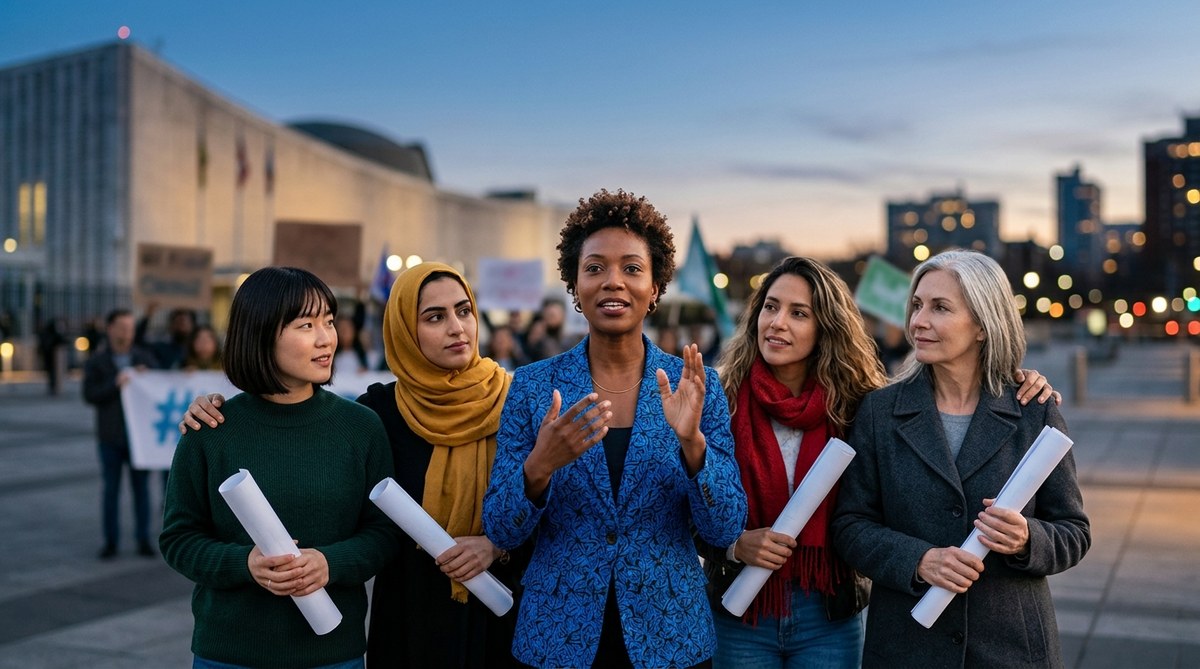
Across the world, women are steering human rights movements with creativity, courage, and a practical sense of justice. They lead movements that defend education, demand accountability for gender based violence, defend the right to protest, safeguard online freedoms, and stand with survivors who have faced coerced policies. At Amnesty Action, we celebrate these leaders because their work translates into real protections for people who are too often voiceless. This article introduces a diverse set of women who are shaping rights movements today, explains the strategies they use, and shows how supporters can join the effort through petitions, campaigns and peaceful advocacy.
Global Powerhouses: Women at the Forefront of Rights Movements
From classrooms to courtrooms, from city streets to digital platforms, women are driving change across sectors and regions. Here are some of the most influential figures whose leadership has expanded freedoms and challenged injustice.
Malala Yousafzai
Malala is perhaps the most recognized voice for girls education in the 21st century. Her story began in the Swat Valley of Pakistan and became a global call for every child to have access to schooling, regardless of gender. Since surviving an attack for advocating education, she has built a worldwide movement that supports girls education and gender equality through the Malala Fund.
Key contributions:
– Advocating for universal access to quality education for girls.
– Elevating the voices of marginalized students through scholarships, partnerships and policy advocacy.
– Engaging communities and governments to remove barriers to schooling.
– Inspiring a generation of young activists to demand accountability.
– Promoting safe learning environments and teachers who support girls’ ambitions.
How you can help:
– Sign petitions that support girls education and condemn policies that hinder schooling.
– Follow Malala’s campaigns and amplify credible education rights organizations in your networks.
Nadia Murad
Nadia Murad is a survivor turned global advocate for human rights and accountability. As a Yazidi and a survivor of genocide crimes, she has spoken truth to power and led campaigns to protect the rights and dignity of survivors of gender based violence and ethnic cleansing.
Key contributions:
– Raising global awareness about atrocities and demanding justice for survivors.
– Working with international bodies to implement protections for at risk communities.
– Advocating for survivors through policy reform and reparations.
– Highlighting the intersection of gender, violence, and ethnicity in humanitarian responses.
– Encouraging youth participation in human rights advocacy.
How you can help:
– Support campaigns that demand accountability for crimes against women and minorities.
– Share survivor testimonies with care and respect, ensuring consent and safety.
Waad Al-Kateab
Waad is a filmmaker and activist who uses documentary storytelling to illuminate life under siege, the impact of war on families, and the resilience of communities. Her work has become a global reminder that women are not only victims but strategic leaders of humanitarian resistance and reform.
Key contributions:
– Documenting human rights abuses to inform international audiences and decision makers.
– Elevating civilian perspectives in crises to shape policy responses.
– Advocating for education, health care, and safe spaces for children in conflict zones.
– Building a global network of supporters through social media and film.
– Encouraging ethical journalism that centers the experiences of women.
How you can help:
– Support independent media and human rights film projects that follow ethical reporting standards.
– Share Waad’s work to raise awareness and attract resources for relief and education.
Tarana Burke
Tarana Burke launched a global movement around survivor led advocacy with the MeToo platform, empowering millions of people to speak up about gender-based violence and seek justice.
Key contributions:
– Centering survivors in strategies to address violence and accountability.
– Building community networks that provide practical support to victims.
– Linking social media activism with on the ground organizing and legal reform.
– Advocating for accountability in workplaces and institutions across sectors.
– Promoting inclusive feminism that lifts up marginalized voices.
How you can help:
– Equip workplaces with resources for preventing harassment and supporting survivors.
– Sign petitions calling for stronger protections for workers and students.
Ellen Johnson Sirleaf
As the first elected female head of state in Africa, Ellen Johnson Sirleaf demonstrated how women in leadership can steer national and regional human rights reforms. Her legacy includes advancing governance, reducing violence against women, and promoting inclusive policy making.
Key contributions:
– Championing women’s leadership and representation in governance.
– Promoting anti corruption and rule of law as foundations for human rights protection.
– Supporting post crisis rebuilding with a focus on women and girls.
– Encouraging regional cooperation to protect vulnerable populations.
– Elevating child and maternal health as human rights priorities.
How you can help:
– Support campaigns that push for women in leadership roles and transparent governance.
– Advocate for policies that protect survivors of violence and promote gender equality.
Michelle Bachelet
Michelle Bachelet, a former president of Chile and a leading figure in global human rights advocacy, has shaped international approaches to gender equality, violence prevention, and protection of civilians in conflict.
Key contributions:
– Strengthening gender mainstreaming across public policy.
– Advancing rights protections for women and girls in vulnerable contexts.
– Leading international dialogue on accountability for human rights abuses.
– Championing legal reforms that reduce gender based violence.
– Promoting universal access to health, education and justice.
How you can help:
– Join campaigns focused on women’s rights and accountability for abuses.
– Share educational resources that explain how policy reforms translate into daily protections.
Gloria Steinem
A foundational voice in modern feminism, Gloria Steinem has long shaped discourse on equality, civil rights, and social justice across generations. Her leadership and writings champion a world in which women can participate fully in public life.
Key contributions:
– Building networks that enable women to organize for change.
– Advocating for reproductive rights, fair pay, and political participation.
– Mentoring younger generations of organizers and writers.
– Supporting media literacy and critical engagement with information.
– Promoting peaceful, nonviolent advocacy as a core principle.
How you can help:
– Engage with feminist education programs and community organizing efforts.
– Support media projects that reflect diverse women’s voices and rights.
Ruth Bader Ginsburg (RBG)
RBG was a trailblazing jurist whose work helped redefine gender equality under the law. Her legacy continues to inspire hundreds of women to pursue law, policy work, and strategic litigation to advance human rights.
Key contributions:
– Pioneering landmark legal cases that clarified gender equality protections.
– Encouraging a new generation of lawyers to challenge discrimination.
– Highlighting the importance of equal opportunity in education, work, and government.
– Advocating for a more inclusive judiciary that respects human rights.
How you can help:
– Support educational programs that build legal capacity for women.
– Participate in campaigns that promote equal access to justice.
From the Streets to the Digital Frontier: Balancing Peaceful Assembly and Online Rights
Rights movements today increasingly hinge on the ability to organize, communicate, and express grievances without fear. Two critical fronts where women leaders are shaping change are peaceful assembly and internet freedom.
Peaceful Assembly and the Right to Protest
Across regions, protesters face legal penalties, intimidation, and sometimes violence. Women leaders have developed strategies to protect participants while ensuring that protests remain peaceful, lawful and impactful.
Key strategies:
– Legal literacy and know your rights trainings for organizers and participants.
– Documenting abuses and using independent observers to deter excess force.
– Building coalition networks that provide rapid response support to protesters.
– Linking street mobilization with policy advocacy to sustain momentum beyond each demonstration.
– Prioritizing the safety of vulnerable groups including students, migrants and disabled activists.
What supporters can do:
– Support organizations offering legal aid and safety trainings for protestors.
– Share credible reporting from protests to counter misinformation.
Defending Digital Rights and Online Freedom
The internet is a powerful tool for mobilization, education and accountability. Yet online spaces can be vulnerable to censorship, surveillance and disinformation.
Key issues:
– Protecting freedom of expression and the right to access information online.
– Challenging mass surveillance and data misuse.
– Combating online threats while safeguarding privacy and safety.
– Ensuring women and girls have equal access to digital education and opportunities.
What supporters can do:
– Promote digital literacy and safe online practices in your community.
– Support campaigns that push back against internet shutdowns and censorship.
Voices of Resilience: Victims of Forced Sterilization and the Quest for Justice
Forced sterilization remains a grave violation of bodily autonomy and human rights. Survivors deserve recognition, accountability, and meaningful reparations. Women leaders and allies are elevating these stories to demand policy change and justice.
Case entry points:
– Historical and contemporary cases where coercive sterilization policies have affected women and girls.
– The role of survivors, doctors, and activists in advancing truth telling and legal redress.
– How international human rights standards apply to reproductive rights and government policies.
What activists focus on:
– Ending coercive or nonconsensual sterilization practices through law reform.
– Providing medical, psychological, and financial support to survivors.
– Securing official investigations, truth commissions, and reparations where appropriate.
– Requiring governments to publish accurate data and monitor consent practices.
How Amnesty Action supports this work:
– Spotlight survivor voices with care and respect, ensuring consent in all communications.
– Promote petitions for policy reforms that ban forced sterilization and strengthen informed consent.
– Campaign for accountability mechanisms, including independent investigations and punitive measures for violations.
– Facilitate public education that links reproductive rights with broader human rights protections.
Regional Snapshots: Leaders by Region
The global human rights landscape is diverse, and women leaders in different regions often navigate distinct political and cultural contexts. Here are concise portraits of how leadership shows up across areas.
- Africa: Ellen Johnson Sirleaf and Zainab Bangura have long championed governance, gender based violence prevention, and human rights protection. Their work demonstrates how public leadership and policy reform can change everyday lives for women and girls.
- Asia: Malala Yousafzai and Nadia Murad represent education and protection from violence in Asia and beyond. Their advocacy shows how survivor voices can drive international policy and national reforms.
- Europe and North America: Tarana Burke and Gloria Steinem highlight survivor led advocacy and feminist movement building. These voices remind us that progress depends on the ongoing participation of everyday people as well as prominent public figures.
- Middle East and North Africa: Waad Al-Kateab illustrates how documentary storytelling can reveal the human costs of war and inspire humanitarian action, including education for children in conflict zones.
- Latin America: Michelle Bachelet reflects how regional leadership can shape global human rights policy, including gender equality and protection for the vulnerable.
Every region has its own set of rights battles, but the throughline is clear: women leaders create durable change by pairing moral courage with strategic action.
How Amnesty Action Supports Women Led Movements
Amnesty Action is committed to backing the brave work of women leading human rights movements worldwide. Here are practical ways we support these efforts.
- Petitions and campaigns: We mobilize supporters to advocate for concrete protections, policy changes, and accountability for abuses.
- Survivor centered advocacy: We center the voices of survivors and ensure their safety and dignity in all communications.
- Education and awareness: We provide resources that explain rights, legal protections, and avenues for redress.
- Coalition building: We connect grassroots organizers, student groups, legal aid networks and international partners to scale impact.
- Safe and peaceful engagement: We emphasize nonviolent activism, legal avenues for protest, and the protection of human rights defenders.
- Timely action alerts: We share opportunities to respond to urgent crises such as unlawful detention of protesters, internet shutdowns or retaliation against rights advocates.
If you are new to advocacy or want to grow a local rights movement, these pathways provide practical, action oriented entry points.
Join the Movement: How You Can Take Action Today
You do not need to be a lawyer or journalist to make a difference. Everyday actions, organized with care and responsibility, can move the needle for human rights. Here is a simple starter guide.
- Sign and share petitions: Stand in solidarity with survivors, protestors, and communities facing violence or censorship.
- Learn and educate: Read about the rights of women, students, and activists; share accurate information with friends and family.
- Participate in campaigns: Join campaigns that defend education rights, free assembly, and online freedom.
- Organize local discussions: Host a small group to discuss a rights issue, invite guest speakers, and plan action steps.
- Support survivor led initiatives: Amplify survivor stories with consent and respect, and back organizations that provide safe, confidential support.
- Volunteer and donate: Consider volunteering with human rights organizations or donating to efforts that fund legal aid, advocacy, and relief.
Remember that impact often grows when you combine your personal skills with collective action. If you are a student, teacher, parent, or professional, your unique voice helps ensure movements reflect diverse experiences and needs.
A Call to Action: Your Voice Can Change Lives
The women who lead human rights movements do not act alone; they rely on a global network of supporters who translate empathy into concrete change. By joining Amnesty Action, you join a movement that translates passion into policy and courage into safeguards for people who deserve dignity. Together, we can demand accountability for violations, secure protections for the vulnerable, and pave the way for a more just world.
If you are inspired by the leaders featured here, take a concrete step today:
– Sign one petition that defends girls education or protects peaceful assembly.
– Share a survivor story responsibly to raise awareness while respecting the person who tells it.
– Join a local discussion group or community forum focused on human rights advocacy.
– Subscribe to action alerts to stay informed about urgent cases and campaigns.
With your involvement, these women leaders do not work in isolation. They are joined by millions of supporters who believe in justice, freedom and equality for all.
Thank you for standing with human rights defenders around the world. Your action matters, and together we can amplify the voices of women who lead movements for dignity, accountability and lasting change.